
The Love Stories That Drew Us In
Animation has always been more than punchlines and catchphrases. Long before prestige TV and cinematic universes, animated couples were quietly teaching us about love, partnership, patience, and—occasionally—how not to do it.
From stone-age sitcoms to modern animated storytelling with real emotional depth, these couples didn’t just entertain us—they shaped how generations understood relationships.
Here are the Top 10 Couples in Animation and Cartoons, split between Classic and Modern, followed by one couple that deserves far more credit than they get.
Top 5 Classic Animated Couples
1. Fred & Wilma Flintstone
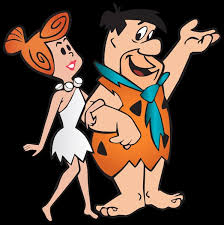
(The Flintstones)
The original animated sitcom couple. Fred and Wilma laid the groundwork for domestic comedy in animation—complete with working-class struggles, neighborly rivalries, and genuine affection beneath the chaos.
2. George & Jane Jetson
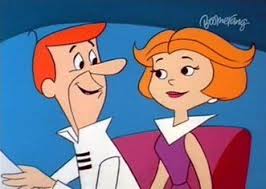
(The Jetsons)
A hopeful look at marriage in a high-tech future. Despite flying cars and robot maids, George and Jane showed that love and teamwork still mattered most—even in tomorrow’s world.
3. Mickey & Minnie Mouse
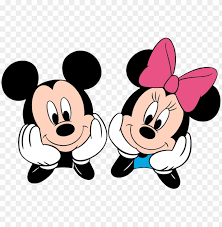
(Mickey Mouse)
Few couples in entertainment history are as instantly recognizable. Mickey and Minnie are timeless icons—playful, loyal, and endlessly adaptable across generations and mediums.
4. Fred Jones & Daphne Blake
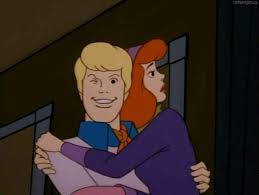
(Scooby-Doo)
A slow-burn relationship that evolved over decades. From mystery-solving teammates to a more openly romantic pairing in later incarnations, Fred and Daphne grew alongside their audience.
5. Aladdin & Jasmine
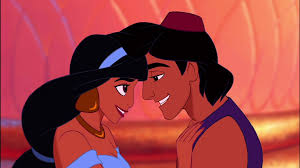
(Aladdin)
A fairy-tale romance built on honesty and equality. Jasmine’s independence and Aladdin’s growth turned this into one of animation’s most enduring love stories.
Top 5 Modern Animated Couples
6. Homer & Marge Simpson
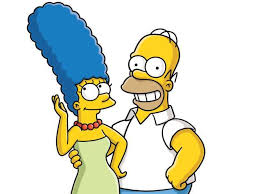
(The Simpsons)
Flawed, frustrating, and somehow still standing. Homer and Marge became the blueprint for modern animated marriage—messy, imperfect, but anchored by real devotion.
7. Bob & Linda Belcher
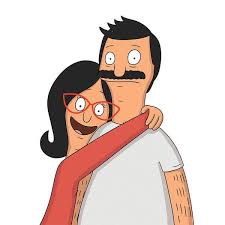
(Bob’s Burgers)
One of the healthiest marriages in animation. Bob and Linda genuinely like each other, support each other’s weirdness, and face life as a united front—singing optional.
8. Fry & Leela
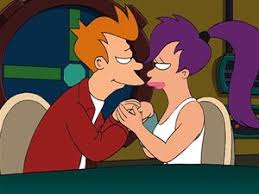
(Futurama)
A rare long-game love story in animation. Years of character growth and emotional payoff turned Fry and Leela into one of the most rewarding romantic arcs in TV history.
9. Shrek & Fiona
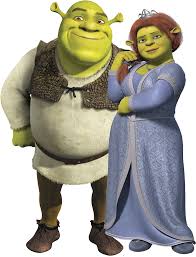
(Shrek)
A love story about self-acceptance. By rejecting fairy-tale expectations, Shrek and Fiona proved that real love isn’t about perfection—it’s about authenticity.
10. Mr. Incredible & Elastigirl
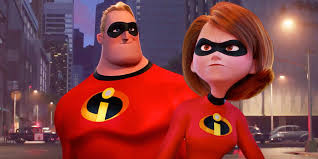
(The Incredibles)
Marriage under pressure—literally. Bob and Helen Parr show what it looks like to balance love, parenting, and purpose while saving the world together.
🏆 Most Underrated Animated Couple🏆
Cosmo & Wanda
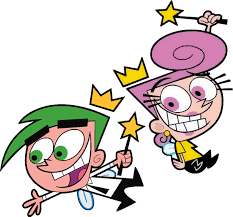
(The Fairly OddParents)
They’re canonically married. They’ve been together for centuries. They co-parent. They argue, forgive, adapt, and grow.
Cosmo and Wanda may look like pure cartoon chaos, but underneath the magic is a surprisingly strong partnership—one built on balance. Responsibility meets spontaneity. Patience meets optimism. Love survives absurdity.
Why they deserve the title:
Real relationships aren’t flawless. They’re negotiated. And few animated couples embody that truth better.
Cosmo and Wanda might be the most underrated animated couple of all time—because real love isn’t perfect… it’s balanced.
What These Animated Couples Still Teach Us
Classic animated couples gave us the blueprint.
Modern couples gave us emotional depth.
But the best animated relationships remind us of one simple truth:
Love—whether in Bedrock, the future, or a magical fairy world—works best when partners grow together.
About Johnny B
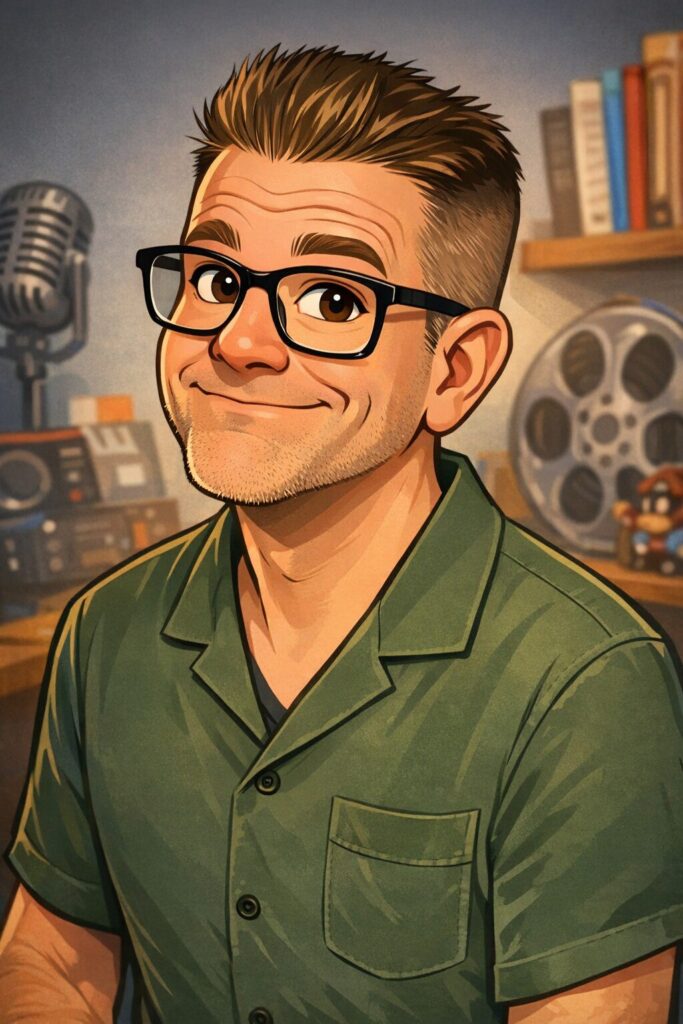
Johnny B is an entertainment journalist, interviewer, and multimedia creator with a lifelong love of pop culture, storytelling, and the moments that shape us along the way. As the host of On Air with Johnny B and the founder of Mil-Spec Digital, he explores film, television, music, animation, and emerging creative trends with a mix of curiosity, context, and just enough nostalgia to remind us why these stories mattered in the first place.
Johnny’s work focuses on the human side of entertainment—how characters, creators, and cultural touchstones influence who we become, whether through a Saturday morning cartoon, a late-night sitcom, or a story that quietly sticks with us long after the credits roll.
When he’s not interviewing artists or publishing features, Johnny is usually working on new creative projects, building tech tools for creators, or watching animated classics with fresh eyes—proof that great stories, like great love stories, never really age.