Music has always been more than entertainment.
Sometimes it becomes memory.
Sometimes it becomes warning.
Sometimes it becomes rebellion.
Across generations, artists have stepped into the cultural crossfire, turning microphones into megaphones and songs into rallying cries. From the anti-war voices of the Vietnam era to the raw political fury of Rage Against the Machine, Green Day, and Otep, protest music has remained one of the most powerful forms of public resistance.
The sound changes.
The message doesn’t.
The Vietnam Era: When Protest Went Mainstream
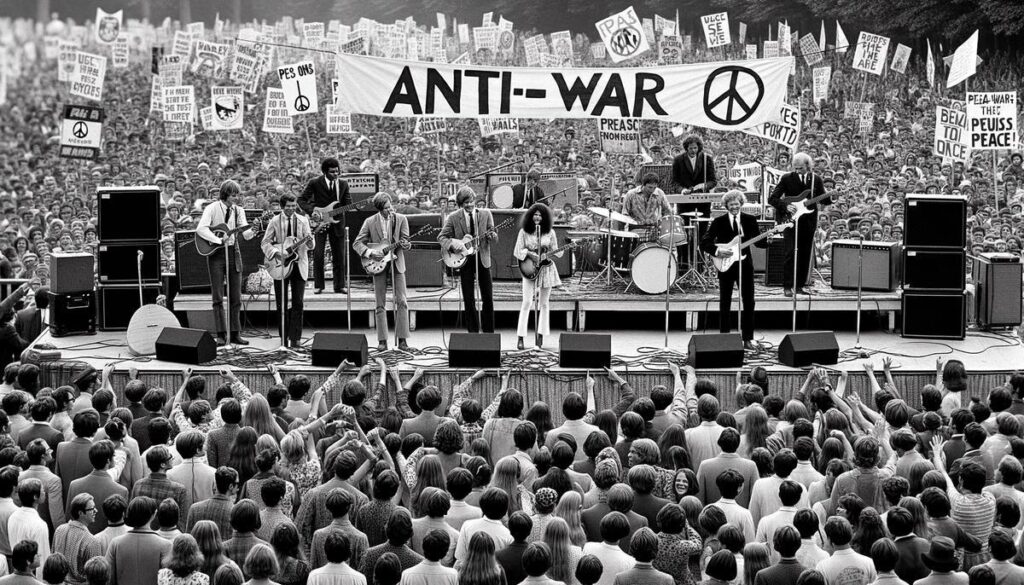
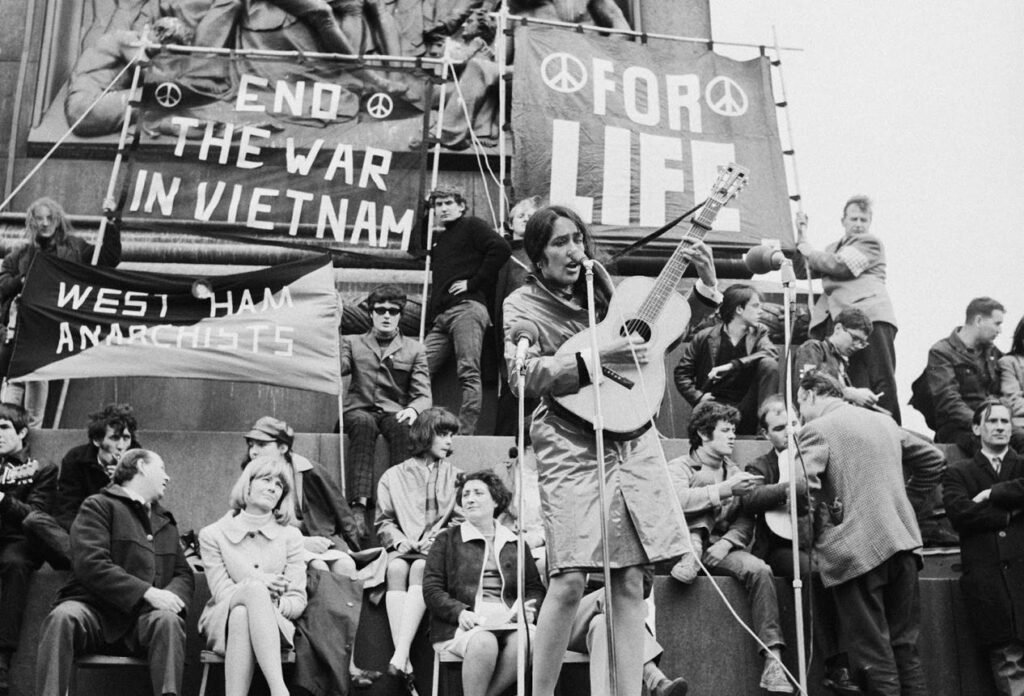
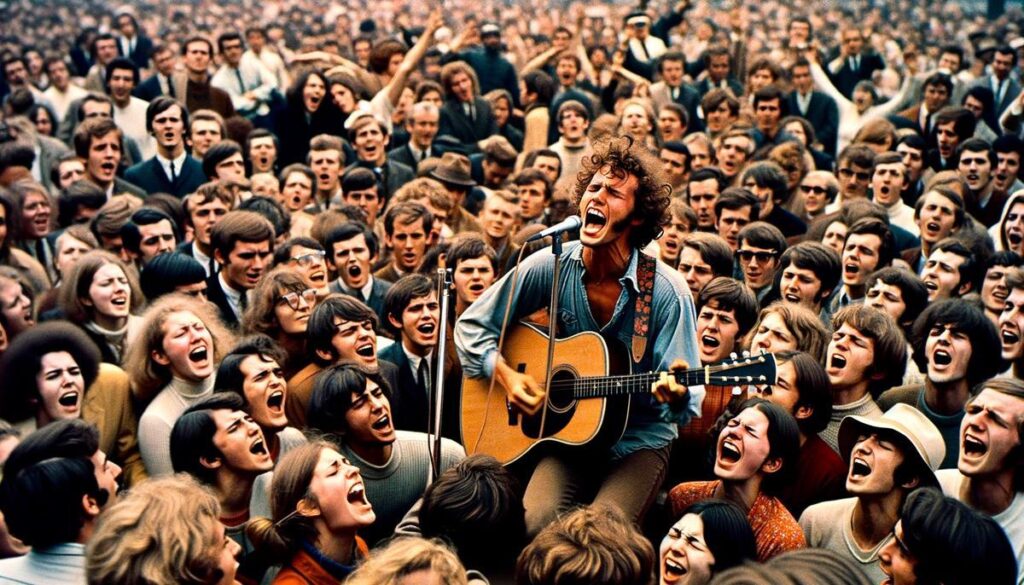
This is where the modern protest song truly took shape.
During the 1960s and early 1970s, music became inseparable from the national conversation around war, civil rights, and trust in government.
Key voices of the era included:
- Bob Dylan
- Joan Baez
- Creedence Clearwater Revival
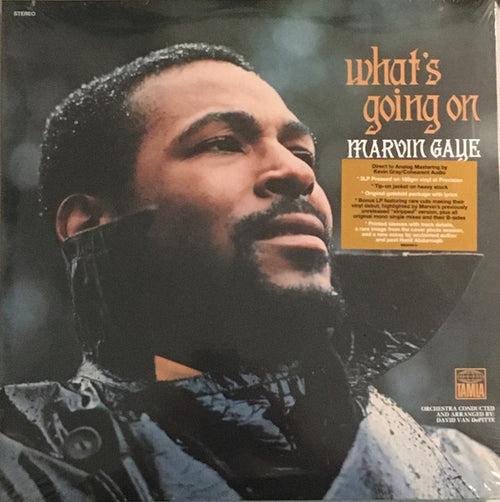
- Marvin Gaye
- Neil Young
Songs like “Fortunate Son,” “Ohio,” “Blowin’ in the Wind,” and “What’s Going On” became cultural touchstones.
These weren’t just charting songs.
They became part of how an entire generation understood conflict, injustice, and authority.
For many Americans, these tracks still instantly evoke Vietnam, protest marches, and a growing distrust of leadership.
Punk, Metal, and the Anti-Establishment Voice
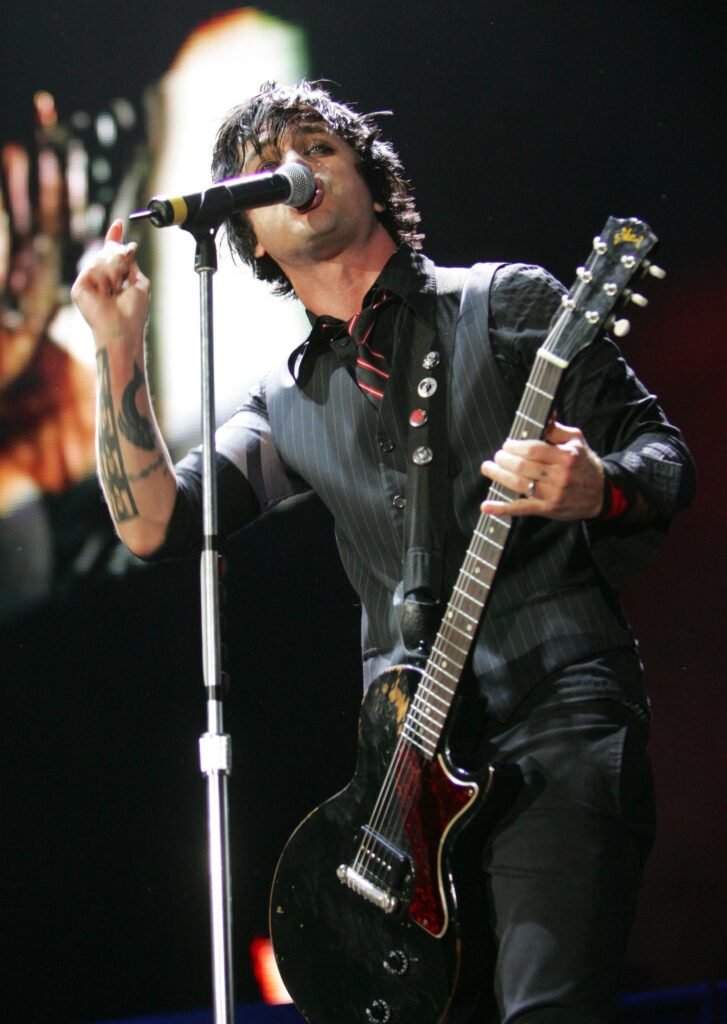
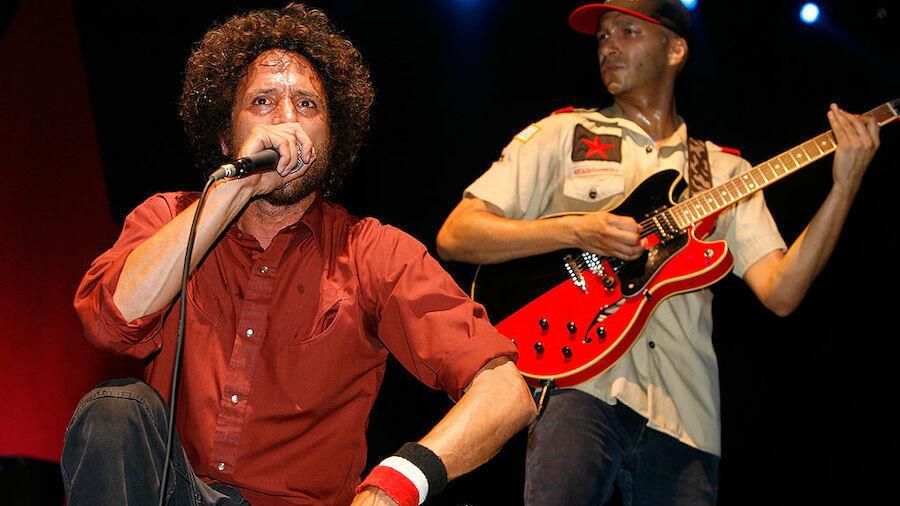
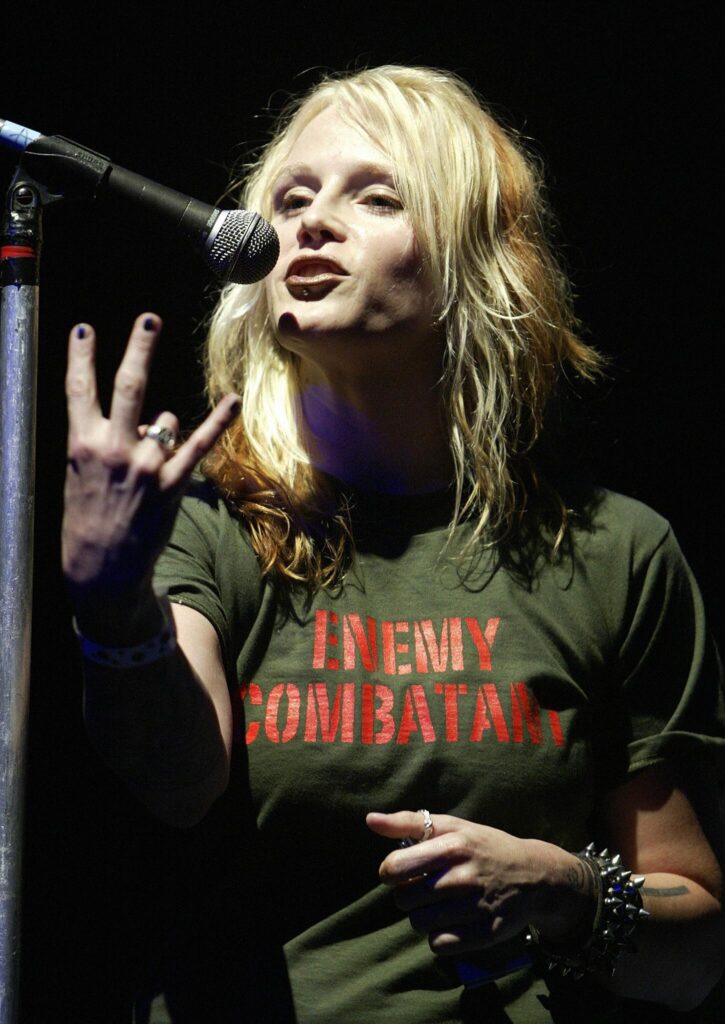


As the decades evolved, the torch passed from folk protest into louder, sharper, and more confrontational genres.
Punk, hip-hop, industrial, and metal became the natural home for artists pushing back against systems of power. Where earlier generations carried protest through acoustic guitars and folk ballads, this era delivered its message through distortion, urgency, and raw emotional force.
Essential voices of this movement include:
- Rage Against the Machine
- Green Day
- Otep
- System of a Down
- Public Enemy
This era expanded the conversation far beyond war alone.
The themes became broader and more urgent:
- corruption
- state power
- media influence
- economic inequality
- civil liberties
- anti-establishment identity
Albums like American Idiot and songs like Killing in the Name became defining statements for their generations.
But within heavy music, few voices have been as uncompromisingly direct as OTEP.
A Voice That Refused to Be Quiet
Among the most fearless voices in modern protest music, Otep has long used music as a direct confrontation with power, oppression, and silence.
Through a blend of metal, spoken-word intensity, and emotionally charged lyricism, OTEP’s work has consistently challenged systems of abuse, inequality, and cultural complacency. Rather than simply channeling anger, the music often forces listeners to confront uncomfortable truths — about politics, identity, violence, and the structures that shape everyday life.
More than aggression for aggression’s sake, the message has always been clear:
music can be confrontation, catharsis, and activism all at once.
Artists like OTEP helped prove that metal could be every bit as politically potent as folk, punk, or hip-hop — carrying forward the same spirit of resistance into a heavier and more visceral soundscape.
Few artists embody that legacy more directly.enerations.
Who Are the Voices of Today?
The truth is simple:
The protest song never disappeared.
It evolved.
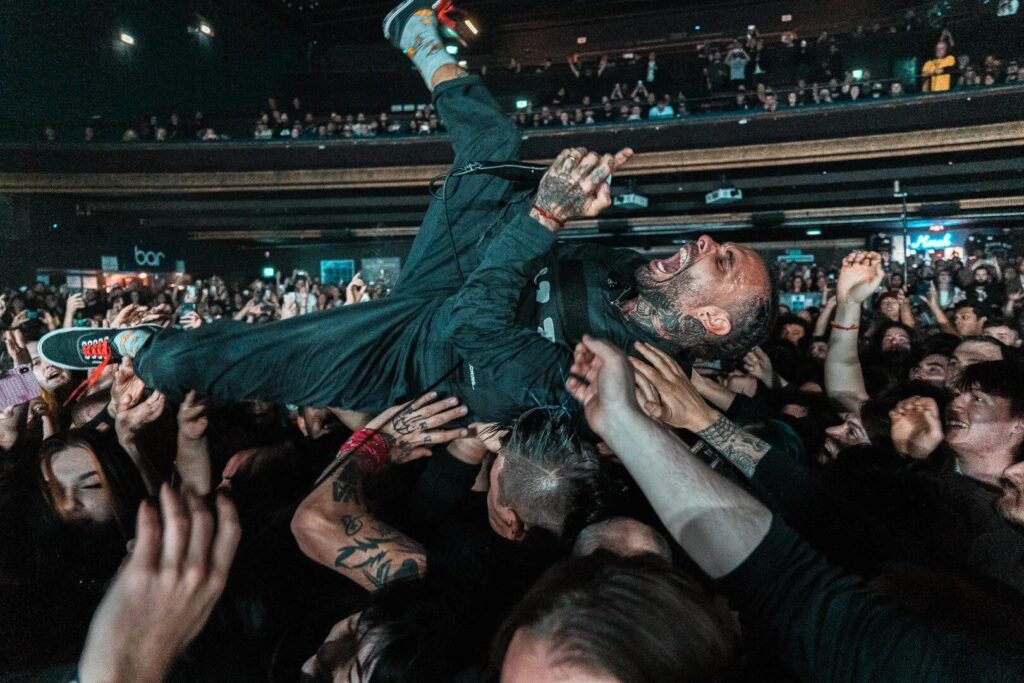
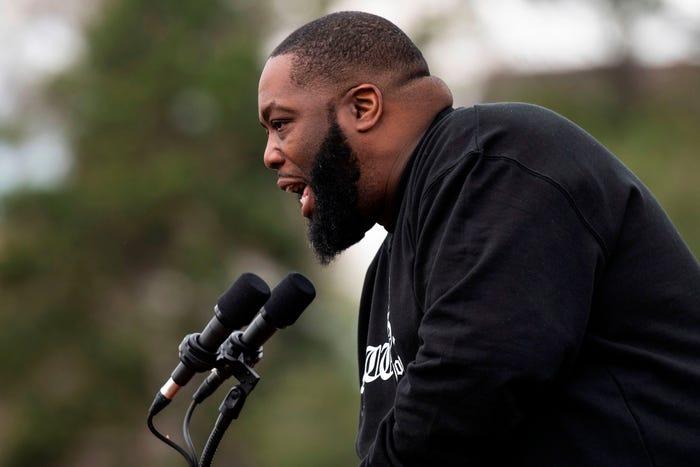
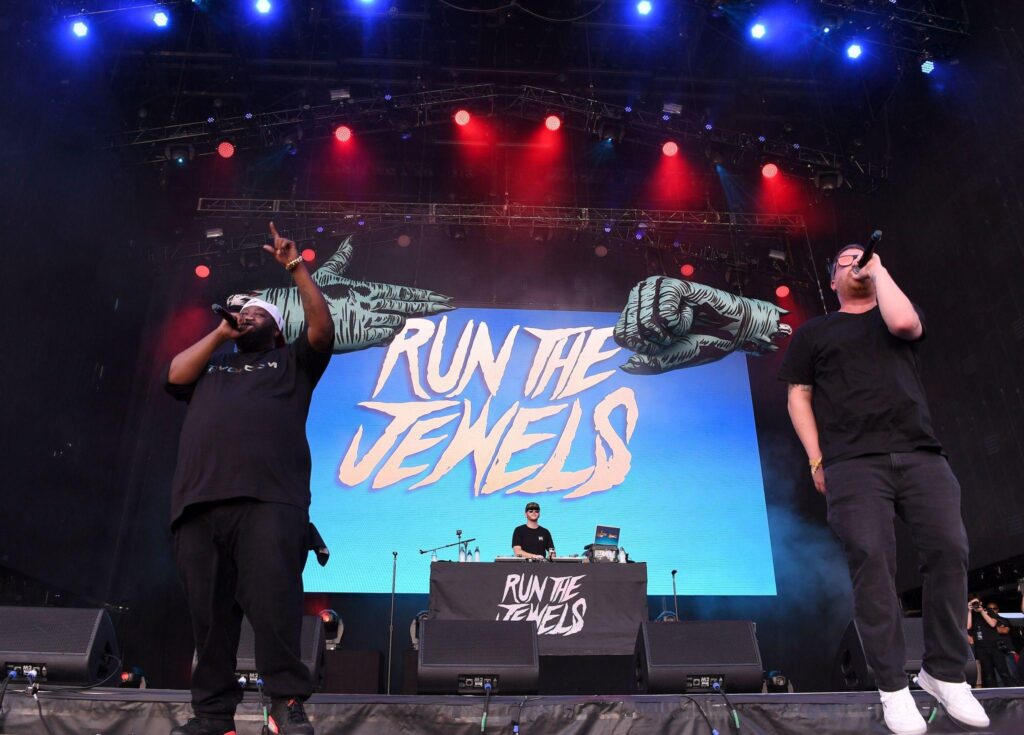
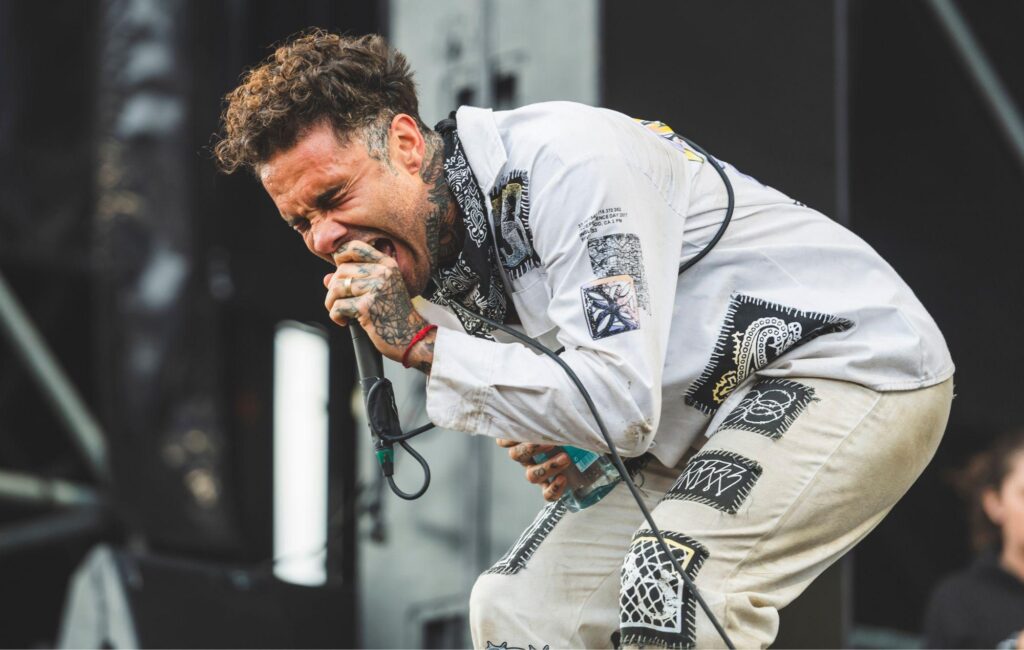
Today’s voices are more fragmented across genres, streaming platforms, and digital communities, but they are every bit as powerful.
Modern artists carrying that torch include:
- Run the Jewels
- Killer Mike
- Hozier
- Bad Bunny
- Fever 333
- Stray From The Path
The difference today is that protest music no longer lives in one central place.
It lives in:
- playlists
- TikTok clips
- viral performances
- livestream moments
- niche genre communities
- festival speeches
- social media activism
The protest song never died.
It simply moved from the radio dial to digital tribes.
Why Protest Music Still Matters
Music has a way of embedding itself into memory more deeply than speeches or headlines.
A government statement may fade.
A song often does not.
Long after events pass, music preserves the emotional reality of the moment.
That is why protest music continues to matter.
It gives movements identity.
It gives frustration language.
It gives generations something to remember.tters.
The Legacy of Resistance
From the Vietnam era to modern metal, punk, hip-hop, and alternative voices, music remains one of the most powerful ways artists challenge power.
As long as people have something to fight for — or against — there will always be songs that refuse to stay quiet.
And perhaps that is the most enduring sound of all:
Resistance.
About the Author
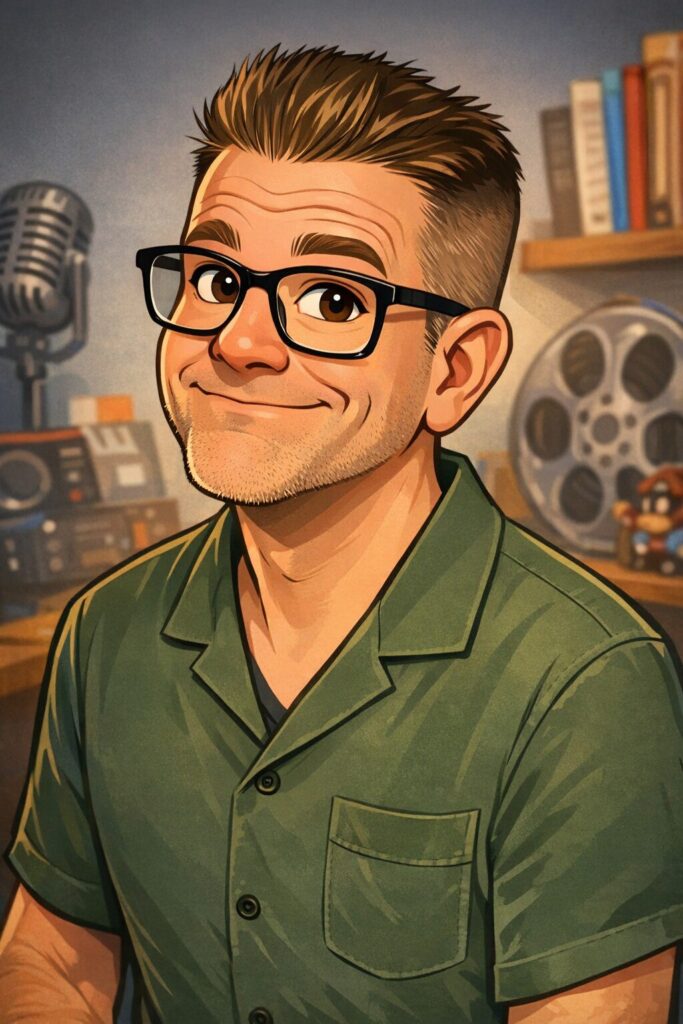
John Bowman is an entertainment journalist, podcast host, and founder of Mil-Spec Digital, where he explores the intersection of music, culture, and media. Through On Air with Johnny B, John covers the artists, stories, and moments that shape generations — from iconic protest music and heavy metal evolution to modern voices redefining resistance.
His work blends journalistic research with a storyteller’s perspective, helping readers connect the past, present, and future of music culture.