
A New Era for Heavy Music
By the early 2000s, heavy metal had already survived reinvention.
What came next wasn’t just another evolution.
It was a transformation driven by technology, community, and a new wave of artists who grew up on the sounds of the 80s and 90s — and pushed them even further.
Metal didn’t just adapt.
It exploded again.
Key Takeaways: Heavy Metal in the 2000s
- Metalcore became one of the dominant subgenres
- MySpace and online communities reshaped music discovery
- Melody and aggression were blended more than ever before
- Festivals like Warped Tour helped define the scene
- Home recording and digital production changed how music was made
The Rise of Metalcore
At the center of the 2000s metal movement was a new hybrid sound.
Bands like Killswitch Engage helped define metalcore — blending melodic elements with heavy breakdowns and aggressive vocals.
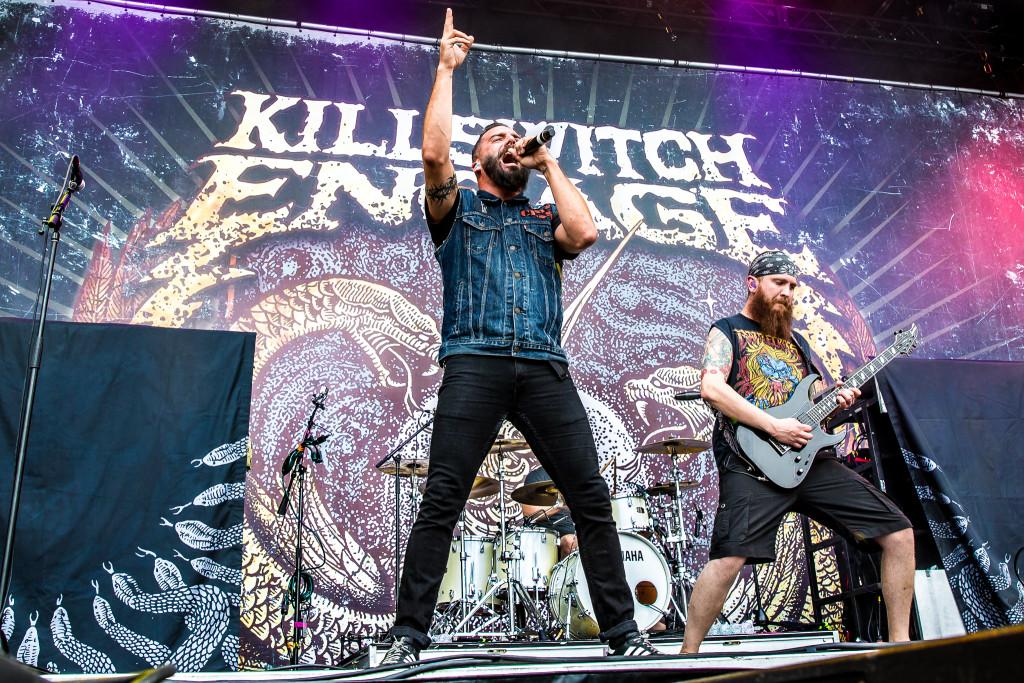
This sound combined:
- screaming and clean vocals
- melodic guitar work
- breakdown-driven songwriting
It made metal both accessible and intense — opening the door to a broader audience.
The MySpace Era and Digital Discovery
The 2000s changed how fans discovered music.
Platforms like MySpace allowed bands to:
- share music instantly
- build global audiences
- connect directly with fans
This removed traditional gatekeepers.
A band didn’t need a label to be heard.
They just needed a following.
A New Generation of Metal Bands
The 2000s introduced a wave of bands that would define the era:
- Avenged Sevenfold
- Lamb of God
- Bullet for My Valentine
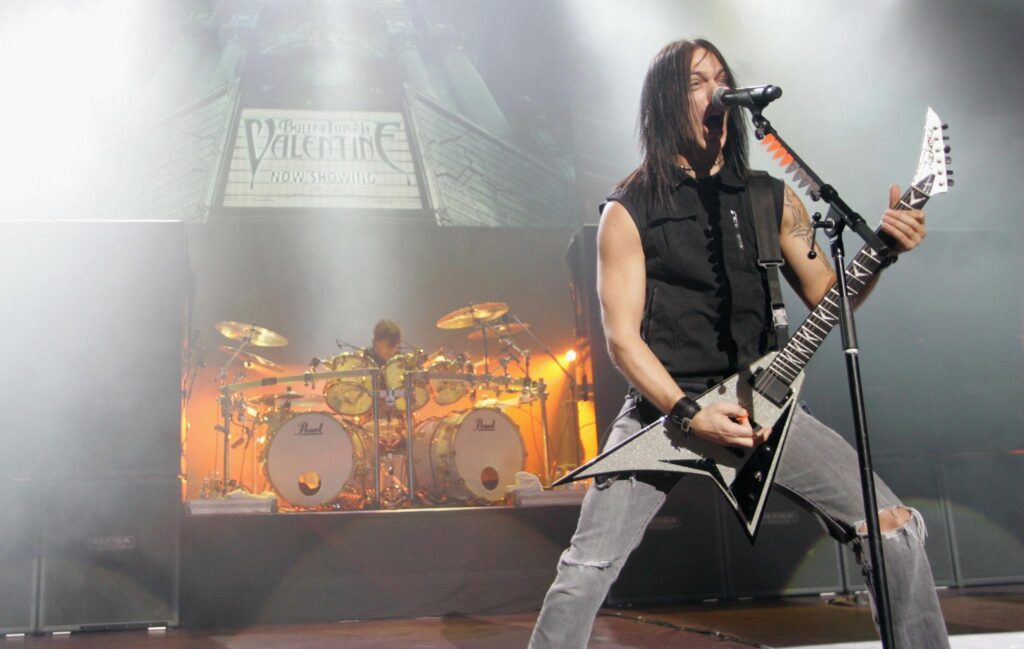
Each brought something different:
- theatrical storytelling
- groove-heavy aggression
- melodic hooks
Metal was no longer one sound.
It was a spectrum.
The Warped Tour Generation
For many fans, the 2000s metal experience was defined by festivals.
The Warped Tour became a cultural hub — blending metal, punk, and alternative scenes into one massive community.
It wasn’t just about music.
It was about belonging.
Production and Technology Changed Everything
The 2000s marked a shift in how music was created.
Advancements in digital recording allowed:
- home studios
- independent production
- more polished sound
Metal production became tighter, cleaner, and more layered.
This set the stage for the cinematic sound we hear today.
Emotion Meets Aggression
One of the defining characteristics of 2000s metal was emotional depth.
Lyrics became:
- more personal
- more introspective
- more relatable
This emotional connection helped expand the genre’s audience and impact.
The Blueprint for Modern Metal
The 2000s didn’t just evolve heavy metal.
They modernized it.
This decade introduced the tools, sounds, and culture that would shape everything that followed — from the rise of streaming to the cinematic, genre-blending metal of today.
Up Next: The 2010s–2020s — Cinematic Metal and Genre Fusion
Explore the Full Heavy Metal Timeline
FAQ: Heavy Metal in the 2000s
What is metalcore?
Metalcore is a fusion genre that combines elements of heavy metal and hardcore punk, featuring breakdowns, melodic riffs, and a mix of vocal styles.
Why was MySpace important for metal bands?
MySpace allowed bands to share music directly with fans, helping many gain popularity without traditional record label support.
Which bands defined 2000s metal?
Bands like Killswitch Engage, Avenged Sevenfold, and Lamb of God were key figures in shaping the decade.
How did production change metal music?
Digital recording tools allowed for cleaner production, home studios, and more complex layering of sound.
🎤 ABOUT THE AUTHOR
About John Bowman
John Bowman is the host of On Air with Johnny B and founder of Mil-Spec Digital, covering music, entertainment, and culture with a journalist’s perspective and a lifelong passion for heavy music.