
The Era of Reinvention Without Limits
By the 2010s, heavy metal had already gone through multiple evolutions.
What came next wasn’t a single movement.
It was everything — all at once.
Genres blended. Boundaries disappeared. Artists began pulling from metal, pop, electronic, hip hop, and film to create something entirely new.
Heavy metal didn’t just evolve.
It expanded.
Key Takeaways: Heavy Metal in the 2010s–2020s
- Genre boundaries blurred across metal, pop, and electronic music
- Theatrical live performances became a defining feature
- Streaming and TikTok reshaped music discovery
- Artists leaned heavily into identity, storytelling, and atmosphere
- Modern metal became more cinematic and emotionally layered
The Rise of Cinematic Metal
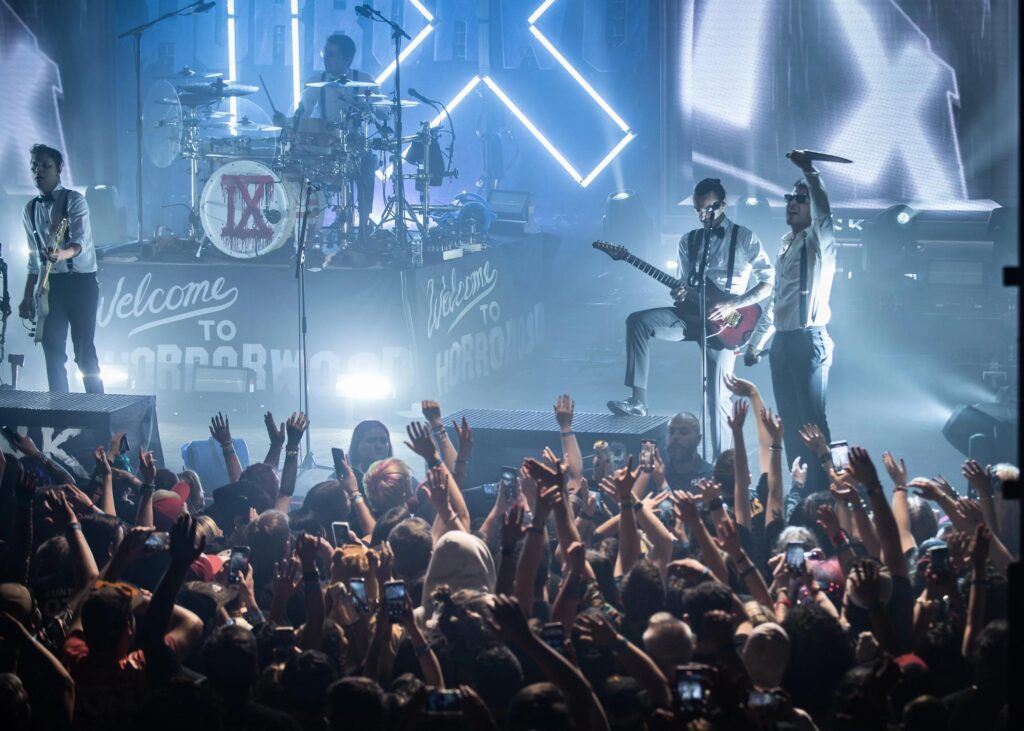
Bands like Ice Nine Kills and Sleep Token transformed metal into something closer to a film experience than a traditional concert.
Their music emphasized:
- storytelling
- atmosphere
- visual identity
- immersive performances
Metal became something you didn’t just hear.
You experienced it.
Horror, Identity, and Theatrical Expression
This is where Motionless in White shines.
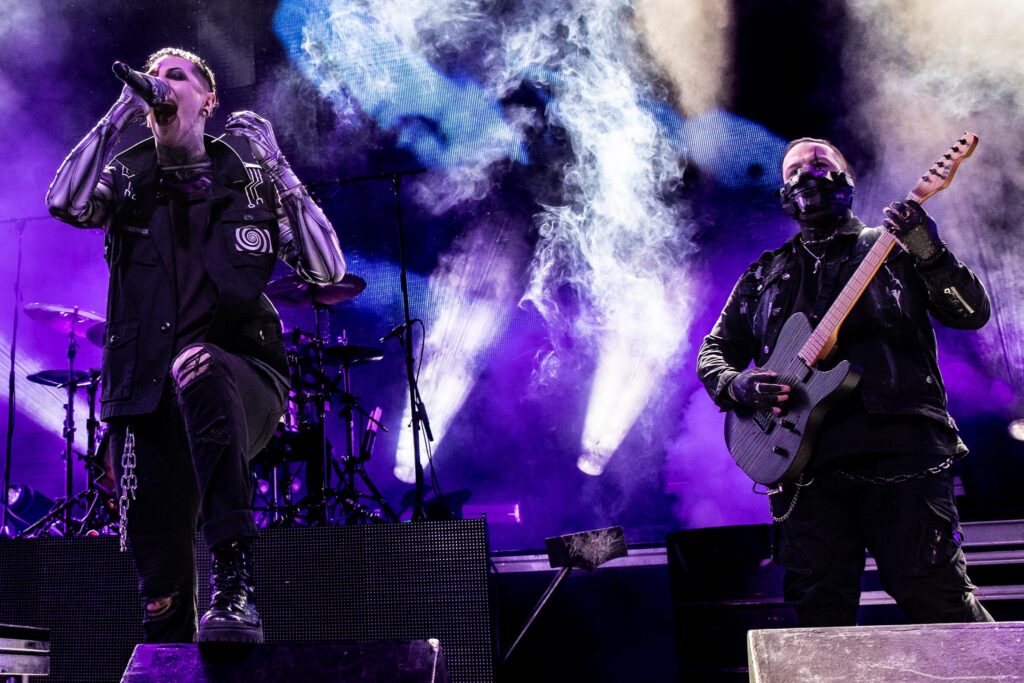
Blending industrial, metalcore, and gothic influences, they helped define a modern metal identity rooted in:
- horror aesthetics
- bold visual presentation
- themes of individuality and self-expression
Their music connects with fans not just through sound — but through message and identity.
Genre Blending Becomes the Norm
Modern metal doesn’t stay in one lane.
Bands like Bring Me the Horizon helped push the genre into:
- electronic music
- pop structures
- experimental production
This era proved that metal doesn’t have to follow rules.
It can evolve freely.
Streaming, TikTok, and the New Discovery Model
The way fans discover music has completely changed.
- Spotify algorithms
- TikTok trends
- YouTube reactions
Songs don’t just grow through radio anymore.
They explode through digital culture.
This has allowed both major and independent artists to reach massive audiences.
Emotion, Vulnerability, and Connection
Modern metal is more emotionally open than ever.
Themes now include:
- mental health
- identity
- trauma
- self-discovery
This emotional depth has helped expand the audience and create deeper connections with fans.
The Most Expansive Era of Metal Yet
The 2010s–2020s didn’t define heavy metal with one sound.
They defined it with freedom.
Artists are no longer confined by genre rules, expectations, or tradition.
And because of that, heavy metal is more alive, more diverse, and more creative than ever before.
Explore the Full Evolution of Heavy Metal
👉 From its origins to today’s cinematic sound, explore the complete timeline:
FAQ: Heavy Metal in the 2010s–2020s
What defines modern heavy metal?
Modern heavy metal is defined by genre blending, cinematic production, emotional depth, and strong visual identity.
Which bands represent modern metal?
Bands like Sleep Token, Ice Nine Kills, Motionless in White, and Bring Me the Horizon represent the modern era.
How has technology impacted metal music?
Streaming platforms, social media, and digital production tools have transformed how metal is created, distributed, and discovered.
Is heavy metal still popular today?
Yes — heavy metal continues to evolve and maintain a global fanbase, with new generations discovering it through digital platforms.
🎤 ABOUT THE AUTHOR
About John Bowman
John Bowman is the host of On Air with Johnny B and founder of Mil-Spec Digital, covering music, entertainment, and culture with a journalist’s perspective and a lifelong passion for heavy music.