
A Genre at a Crossroads
By the early 1990s, heavy metal had reached a breaking point.
The arena-filling dominance of the 1980s was fading. Trends were shifting. Audiences were changing.
And then came grunge.
Suddenly, polished production and glam aesthetics felt outdated. The music world turned toward something raw, stripped down, and emotionally direct.
Heavy metal didn’t disappear.
It adapted.
Key Takeaways: Heavy Metal in the 1990s
- Metal lost mainstream dominance but gained creative freedom
- Groove metal and nu metal reshaped the genre’s sound
- Bands embraced darker, more personal themes
- The underground metal scene expanded globally
- The 90s laid the groundwork for modern metal
The Fall of Glam and the Rise of Something Heavier

The early 90s marked the end of glam metal’s dominance.
Audiences were moving away from polished, image-driven bands and toward music that felt more authentic and grounded.
This shift didn’t kill metal — it forced it to evolve.
The genre became heavier, more aggressive, and more introspective.
Groove Metal: Slowing Down and Hitting Harder
At the center of metal’s reinvention was Pantera.
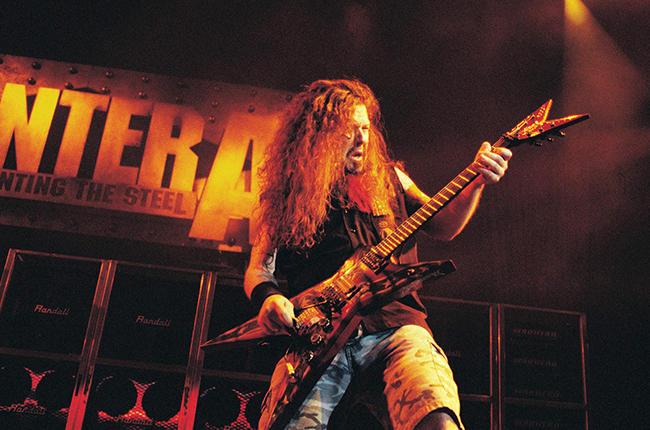
Groove metal took the speed of thrash and slowed it down — emphasizing rhythm, heaviness, and impact.
Instead of relentless speed, it focused on:
- crushing riffs
- tight rhythm sections
- raw aggression
This approach gave metal a new kind of power.
The Rise of Nu Metal
By the mid-to-late 1990s, a new sound began to emerge.
Bands like Korn helped define what would become nu metal.

This new style blended:
- metal
- hip hop influences
- down-tuned guitars
- emotional, confessional lyrics
Nu metal connected with a new generation of fans — especially those looking for music that reflected internal struggles and identity.
Progressive and Alternative Metal Expand the Sound
Not all bands followed the same path.
Tool helped push metal into more experimental territory.
Their music emphasized:
- complex song structures
- atmosphere and mood
- philosophical themes
This showed that metal didn’t just have to be aggressive.
It could be intelligent, layered, and deeply immersive.
Metal Goes Global and Underground
While mainstream attention shifted, metal didn’t fade.
It spread.
The 1990s saw the growth of:
- death metal
- black metal
- international metal scenes
These movements expanded the genre’s reach and influence far beyond its early roots.
A New Identity for a New Generation
The 1990s redefined what it meant to be a metal fan.
The image changed:
- less glam
- more authenticity
- more individuality
Metal became more personal.
More introspective.
More real.
Reinvention Through Chaos
The 1990s didn’t destroy heavy metal.
They reshaped it.
What looked like a decline from the outside was actually a transformation from within.
By the end of the decade, metal was no longer a single sound or identity.
It was a spectrum.
And that evolution set the stage for the explosion of the 2000s.
Up Next: The 2000s — The Metalcore Explosion
Explore the Full Heavy Metal Timeline
FAQ: Heavy Metal in the 1990s
Why did heavy metal decline in the 1990s?
Heavy metal didn’t disappear, but it lost mainstream popularity as grunge and alternative rock rose in the early 1990s.
What is groove metal?
Groove metal is a style of metal focused on rhythm and heaviness rather than speed, popularized by bands like Pantera.
What is nu metal?
Nu metal is a fusion genre combining metal with elements of hip hop, alternative rock, and electronic music, popularized in the late 1990s.
Which bands defined 90s metal?
Bands like Pantera, Korn, and Tool helped shape the sound of the decade.
🎤 ABOUT THE AUTHOR
About John Bowman
John Bowman is the host of On Air with Johnny B and founder of Mil-Spec Digital, covering music, entertainment, and culture with a journalist’s perspective and a lifelong passion for heavy music.