
Hip hop wasn’t born in a studio—it was born in the streets.
In the 1970s, in the Bronx, New York, a new kind of culture began to take shape. It wasn’t just music—it was expression, identity, and survival. At a time when the city was facing economic hardship and social tension, young people turned to creativity to make their voices heard.
At the center of it all was a Jamaican-born DJ named DJ Kool Herc, whose innovative use of turntables would lay the foundation for an entirely new genre.
THE BRONX: WHERE IT ALL BEGAN
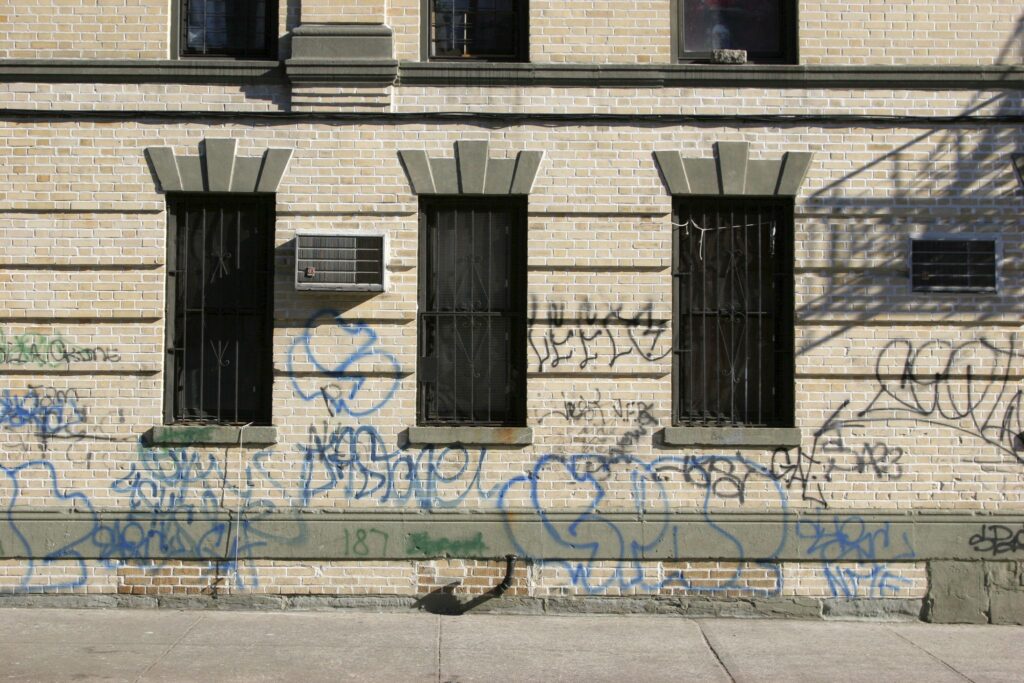
The Bronx in the 1970s wasn’t the New York City you see today.
- Economic decline and urban decay were widespread
- Communities were often overlooked and underfunded
- But creativity thrived where resources were limited
Out of this environment, hip hop emerged—not as entertainment, but as a form of expression and resilience.
THE BIRTH OF THE DJ
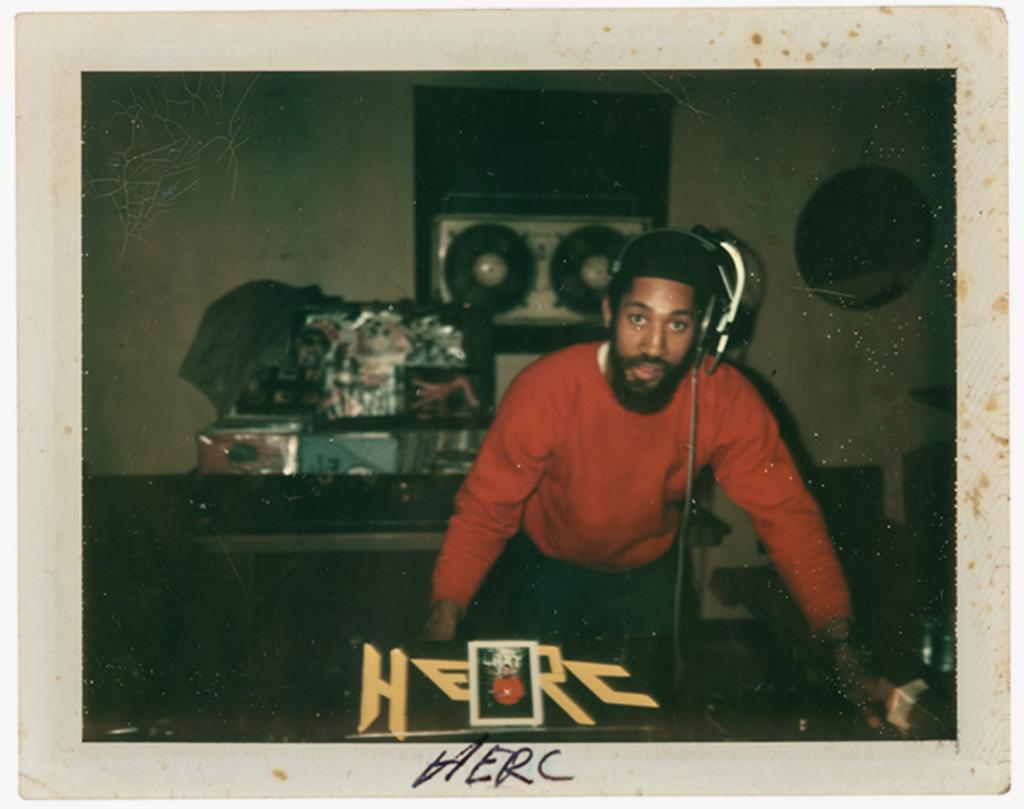
DJ Kool Herc changed everything with one simple idea:
👉 Extend the “break” in funk and soul records—the part where the beat hits hardest.
By using two turntables, he looped these breaks, creating continuous rhythms that kept crowds dancing longer than ever before.
This technique became known as the breakbeat—the heartbeat of early hip hop.
Other pioneers soon followed:
- Grandmaster Flash refined DJ techniques with precision mixing
- Afrika Bambaataa helped organize the culture and spread its message
THE RISE OF THE MC
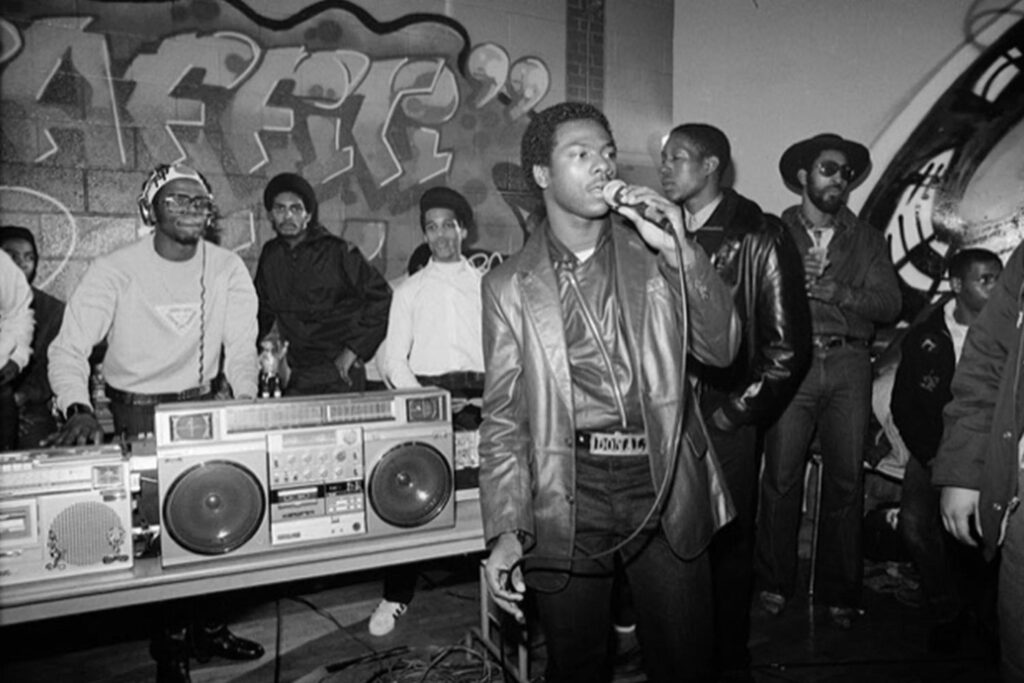
At first, DJs were the stars—but that quickly changed.
MCs (Masters of Ceremony) began as hype men, encouraging the crowd and keeping the energy alive. Over time, they evolved into storytellers—rhyming over beats and developing what would become rap music.
This marked the beginning of hip hop as we know it today.
Breakdancing in the 1970s: Movement as Art in Early Hip Hop
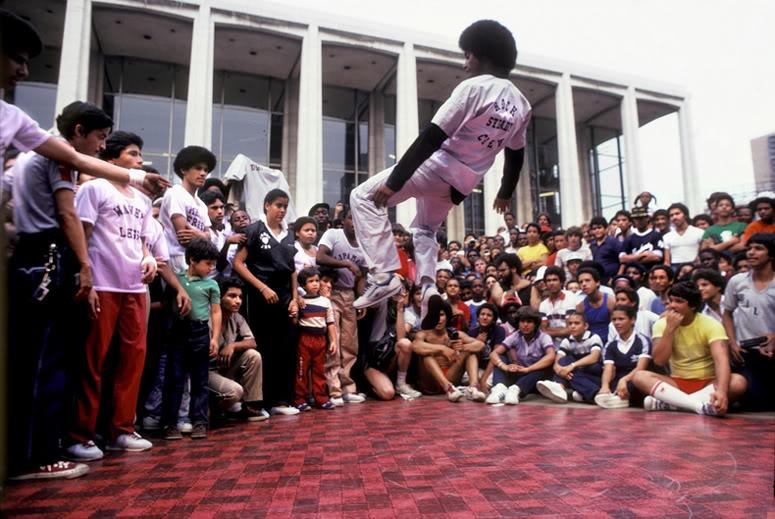
While DJs controlled the sound and MCs found their voice, dancers brought hip hop to life physically.
Breakdancing, also known as b-boying, became one of the earliest forms of hip hop dance and remains a defining element of hip hop culture worldwide.
GRAFFITI: THE VISUAL VOICE
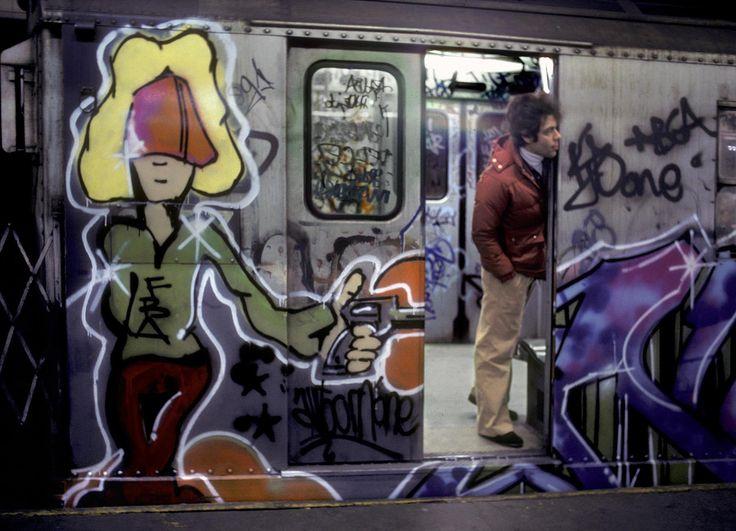
Graffiti gave hip hop a visual identity.
Artists turned subway cars and city walls into moving canvases—spreading names, messages, and artistic styles across New York City.
It was bold, rebellious, and impossible to ignore.
THE FIRST HIP HOP PARTIES
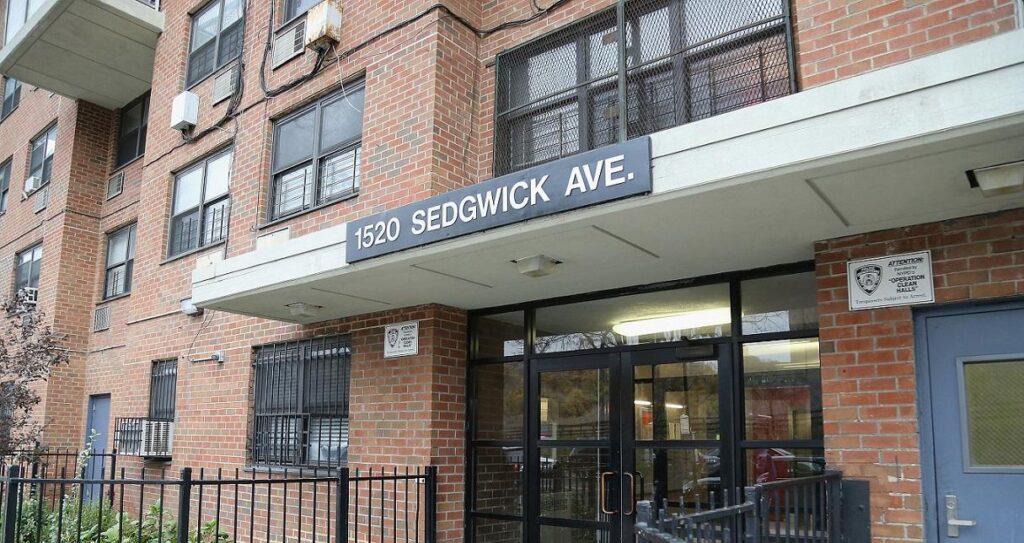
Everything came together at block parties.
One of the most famous took place at:
📍 1520 Sedgwick Avenue
This location is widely recognized as the birthplace of hip hop culture.
These parties featured:
- DJs spinning breakbeats
- MCs hyping the crowd
- Dancers battling in circles
- Graffiti artists showcasing their work
KEY TAKEAWAYS
- Hip hop began in the Bronx in the 1970s
- DJ Kool Herc pioneered the breakbeat technique
- The culture was built on four elements: DJing, MCing, breakdancing, and graffiti
- Hip hop started as a form of expression and community before becoming a global genre
Where did hip hop start?
Hip hop originated in the Bronx, New York, during the 1970s.
Who started hip hop?
DJ Kool Herc is widely credited as one of the founders of hip hop culture.
What was the first hip hop party?
One of the earliest documented hip hop parties took place at 1520 Sedgwick Avenue in the Bronx.
What are the four elements of hip hop?
DJing, MCing, breakdancing, and graffiti.
NEXT IN THE SERIES
👉 Up next:
ABOUT THE AUTHOR
John Bowman is the host of On Air with Johnny B. and founder of Mil-Spec Digital. He explores the evolution of music and culture through deep-dive articles that connect history, storytelling, and modern influence.