
From Underground to Global Domination
If the 1970s gave birth to heavy metal, the 1980s raised it on a global stage.
This was the decade when metal went from dark clubs and underground scenes to sold-out arenas, music television, and worldwide recognition.
It didn’t evolve in just one direction.
It split.
And that split created some of the most iconic sounds in music history.
Key Takeaways: Heavy Metal in the 1980s
- Heavy metal became a global mainstream genre
- MTV played a major role in popularizing metal bands
- Thrash metal emerged as a faster, more aggressive subgenre
- Glam metal dominated radio and television
- Metal culture expanded into fashion, identity, and lifestyle
MTV and the Rise of Metal Superstars
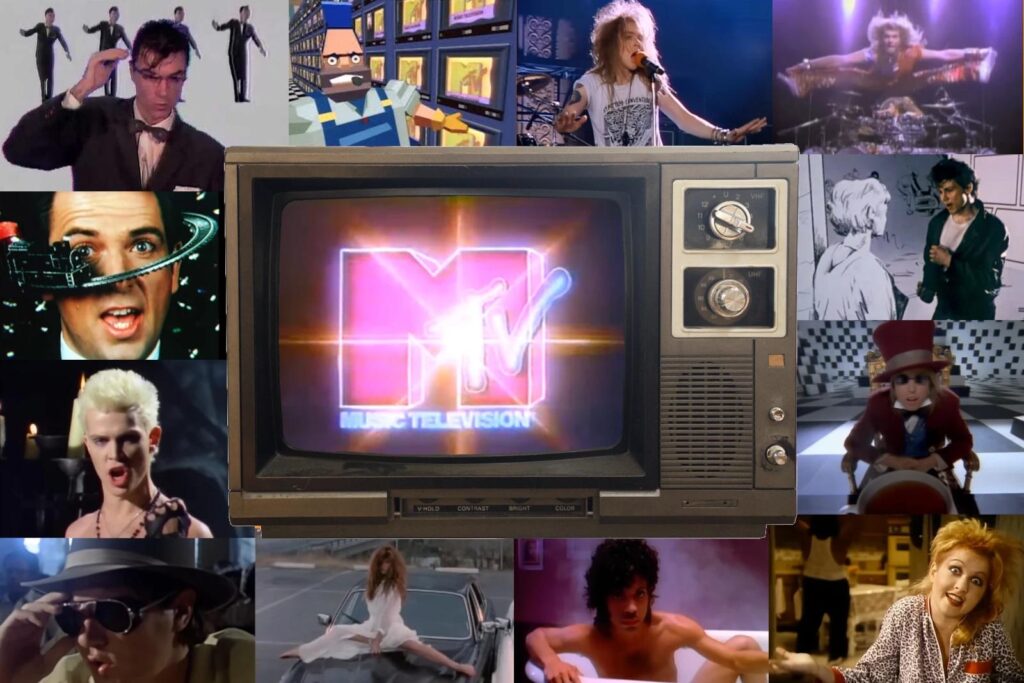
When MTV launched in 1981, it changed everything.
Suddenly, music wasn’t just heard — it was seen.
Bands like Mötley Crüe and Bon Jovi became larger-than-life figures, combining catchy hooks with unforgettable visuals.
Hair, leather, makeup, and attitude became just as important as the music itself.
Metal had become a spectacle.
The Rise of Thrash Metal
While glam metal dominated television, something heavier was growing in the underground.
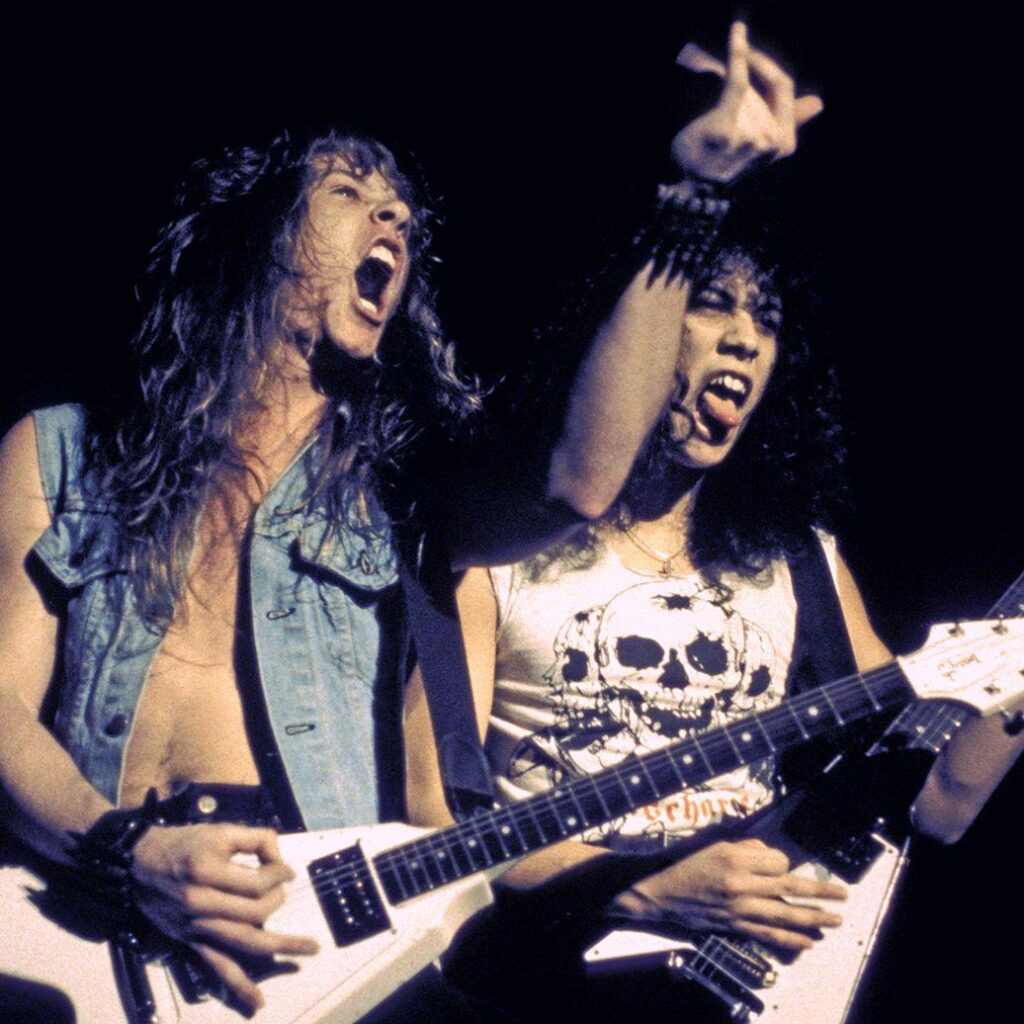
Bands like:
- Metallica
- Slayer
- Megadeth
pushed the genre faster, louder, and more aggressive.
Thrash metal stripped away the polish and returned to raw intensity — blending speed, precision, and rebellion.
This movement built a fiercely loyal fanbase and laid the groundwork for even heavier subgenres.
The New Wave of British Heavy Metal
Before the mainstream explosion, the UK had already begun reshaping the genre.
Iron Maiden and Judas Priest helped define what became known as the New Wave of British Heavy Metal (NWOBHM).
Their influence included:
- galloping rhythms
- dual guitar harmonies
- epic storytelling
- iconic mascots and imagery
This wave bridged the gap between the raw 70s sound and the polished 80s explosion.
Metal Becomes a Culture
By the mid-1980s, heavy metal wasn’t just music.
It was identity.
Fans embraced:
- band tees
- denim and leather
- long hair
- concert culture
Metal became a community — one that thrived on shared energy, rebellion, and belonging.
The Split That Defined the Genre
The 1980s didn’t create one version of metal.
It created two dominant paths:
🎭 Glam / Commercial Metal
- polished production
- radio-friendly hooks
- visual appeal
🔥 Thrash / Underground Metal
- speed and aggression
- political and social themes
- DIY ethos
This divide expanded the genre rather than limiting it.
Metal wasn’t one thing anymore.
It was many.
When Metal Took Over the World
By the end of the 1980s, heavy metal had reached heights no one could have predicted.
It dominated charts, filled arenas, and influenced fashion, media, and culture.
But success came with a cost.
As the decade ended, the genre stood at a crossroads — one that would lead to reinvention, fragmentation, and a completely new sound in the 1990s.
Up Next: The 1990s — Reinvention and Rage
Explore the Full Heavy Metal Timeline
FAQ: Heavy Metal in the 1980s
What made heavy metal popular in the 1980s?
Heavy metal became mainstream in the 1980s largely due to MTV, which gave bands visual exposure, along with arena tours and radio-friendly songs that expanded the audience.
What is the difference between glam metal and thrash metal?
Glam metal focused on catchy hooks, image, and mainstream appeal, while thrash metal emphasized speed, aggression, and a more underground, raw sound.
Which bands defined 1980s heavy metal?
Bands like Metallica, Iron Maiden, Mötley Crüe, and Slayer helped define the decade.
What is thrash metal?
Thrash metal is a fast, aggressive subgenre of heavy metal that emerged in the 1980s, characterized by rapid guitar riffs, precision drumming, and intense energy.
🎤 ABOUT THE AUTHOR
About John Bowman

John Bowman is the host of On Air with Johnny B and founder of Mil-Spec Digital, covering music, entertainment, and culture with a journalist’s perspective and a lifelong passion for heavy music.